
Islet getaways in Pingtan offer a romantic winter escape
en.ptnet.cn | Updated:2026-01-07 | Lin Kongbo, Stephanie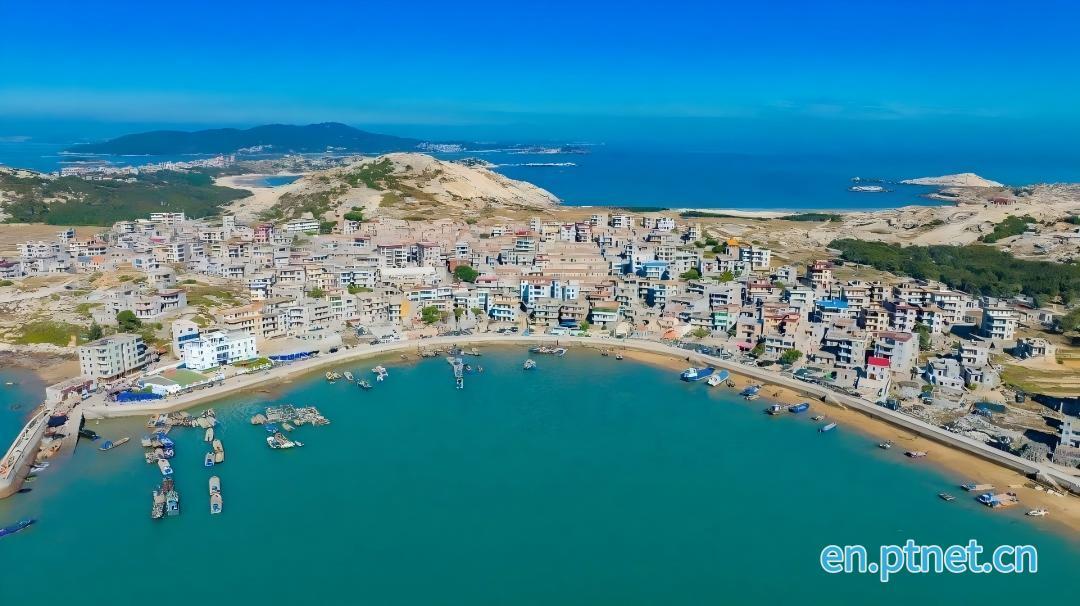
Pingtan, China's second international tourism island after Hainan, invites travelers to trade the urban noise for the sound of the waves. Located off the coast of Fujian Province, this island has emerged as a sanctuary for those in pursuit of "winter mountain-sea romance" – a unique charm found in its wintry coastsand towering cliffsacross its lesser-known offshore islets.
As the New Year unfolds, the islets of Dalian, Xiaolian, Dongxiang, Tangyu, and Caoyu captivate visitors with landscapes adorned by whispering wind turbines, silent rock formations, and the curling smoke of traditional fishing villages.
Geological Marvels and Ancient Stones of Dalian Islet


Dalian Islet, named for its turbulent waters that resemble flowing white silk, boasts a landscape shaped by millions of years of natural erosion – a masterclass in nature's artistry. The eastern village of Yueju serves as the gateway to "Tongtianmen" (Heavenly Gate), a colossal sea-erosion arch sculpted over eons. To reach this natural monument, visitors must time their trek with low tide, traversing a beach strewn with multi-colored pebbles.
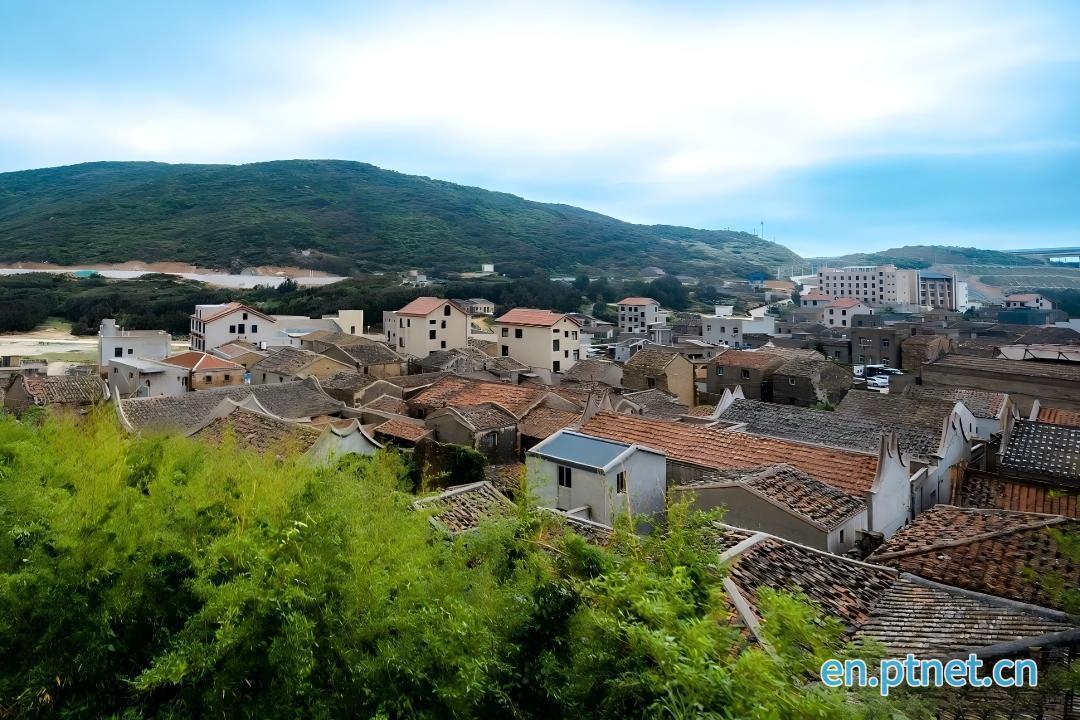
"It is a scene of soul-stirring majesty, framed by the sky as its roof and the sea as its stage," travelers often remark of the site. Further west, the century-old Yuxian Village preserves the region's iconic stone houses, known as shicuò. These weathered structures stand as enduring monuments to the islet's rich maritime heritage.
The Wild Heights of Xiaolian Islet

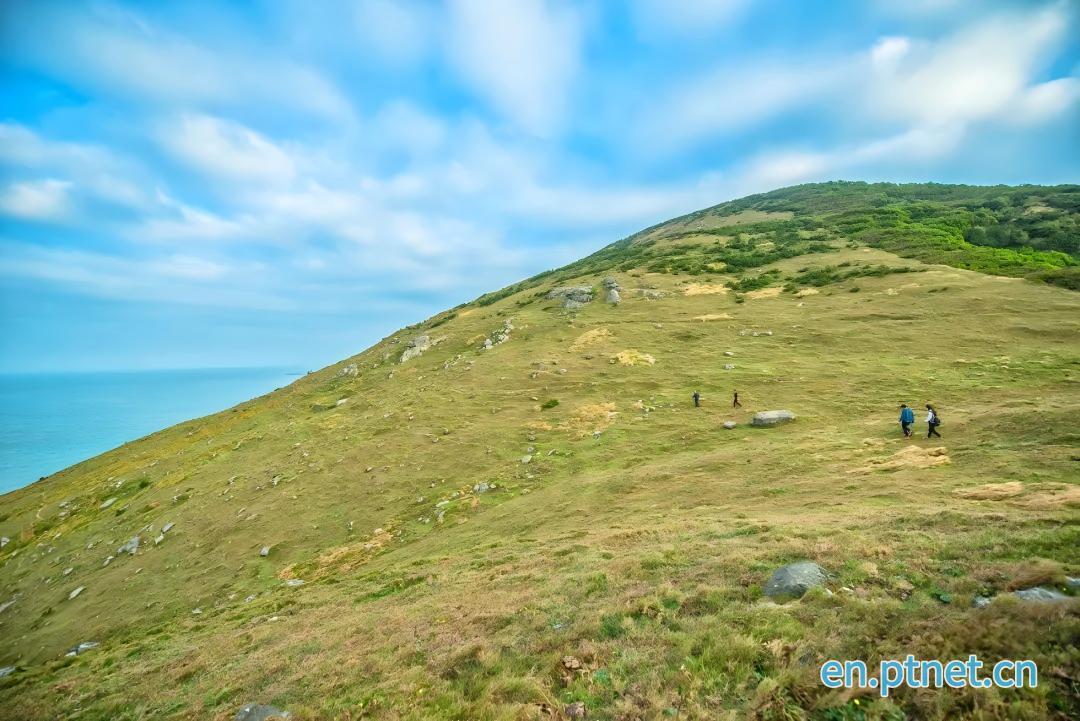
Just across the water, Xiaolian Islet offers a starkly different aesthetic. The summit of Yangshuweishan Mountain features a vast, flat grassland instead of the typical jagged peaks. In winter, the vegetation transforms into a warm amber hue, creating a enchanting "prairie by the sea" ambiance.

The islet's eastern coastline at Shuiliukeng delivers a more visceral experience. Here, a massive sea cave rivals the famous "Celestial Well" of Pingtan's main island, Haitan. When the tide surges in, water erupts through a natural "square window" in the rock – a spectacle described by onlookers: "One wave surges up the smooth walls like a sudden blizzard, while another spouts from the cavern like a dragon breathing water."
Cinematic Serenity of Dongxiang Islet

Dongxiang Islet, catapulted to fame as a filming location for the popular variety show Where Are We Going, Dad?, retains a simple poetic charm. In Xiaobei Village, stone houses are stacked like building blocks along the hillside, with nearly every window framing a postcard-perfect view of the ocean.


"The stone houses, quiet bays, and fishing boats, with the distant offshore wind turbines behind them, look just like a picture postcard," locals fondly note. The islet also boasts Hulu'ao, a natural harbor shaped like a gourd, and Nanmo'ao – home to the islet's largest stretch of sand, ideal for a peaceful winter stroll.
The Southern Frontier: Tangyu and Caoyu Islets


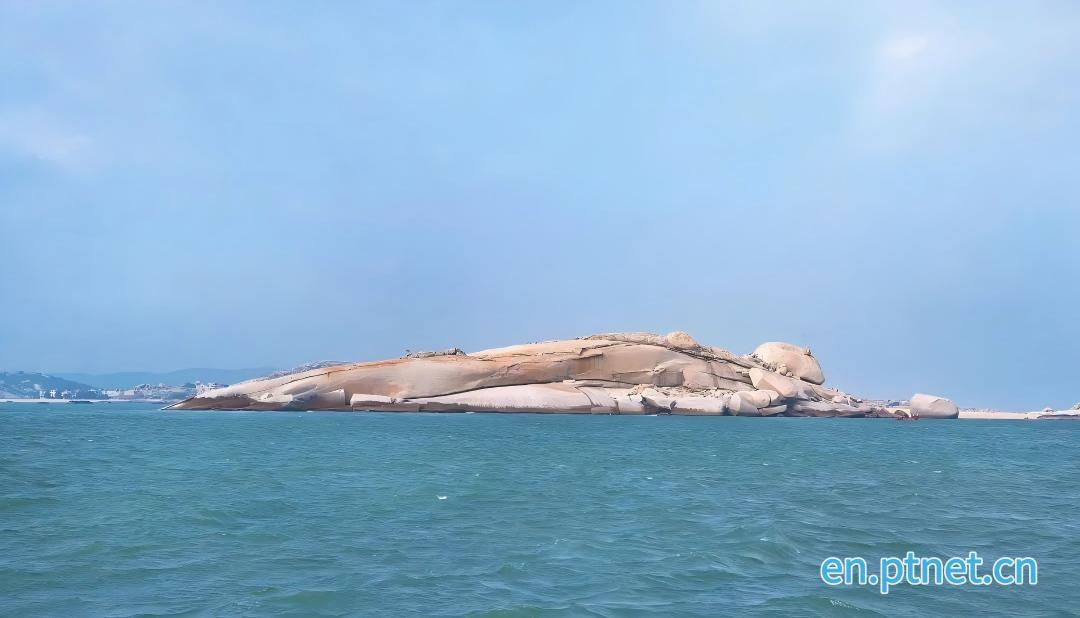
For those willing to venture to the southernmost reaches of the archipelago, Tangyu Islet reveals the "Haitan Morpheus" – a 330-meter-long massive rock formation that resembles a reclining figure. Adjacent to this natural wonder lies a crescent-shaped beach of fine golden sand, offering a rare sense of solitude.
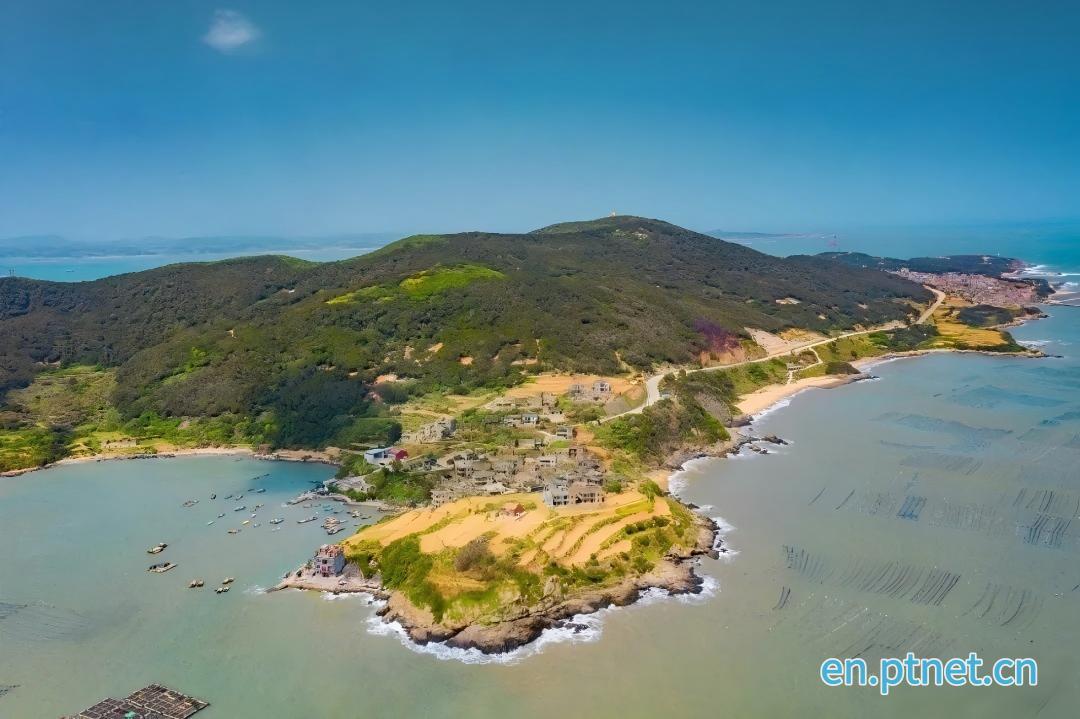

Nearby Caoyu Islet, known as the "Pearl of Haitan," showcases a distinct architectural style. The Chen Family Ancestral Hall features ornate Minnan official-style architecture, a striking contrast to Pingtan's usual rugged stone dwellings. The islet is also home to a 300-year-old banyan tree dating back to the Qianlong period of the Qing Dynasty, as well as the dramatic volcanic landscapes of Houkeng Village.


 Fujian Public Security Registration Code: 35012802000271