

Pingtan's Keqiutou Site Museum welcomes over 100000 visitors in first year, showcasing ancient maritime civilization
en.ptnet.cn | Updated:2026-01-08 | Lin Kongbo, Stephanie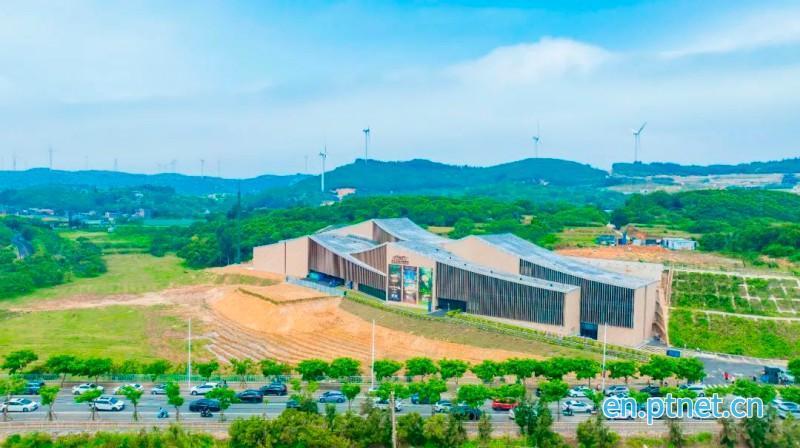
Pingtan, a comprehensive pilot zone in Fujian Province and a key hub for exploring prehistoric civilizations along China's southeast coast, is home to the Keqiutou Site Museum—a specialized institution safeguarding over 7,000 years of Keqiutou cultural heritage. Marking its first anniversary in January 2026, the museum has risen as a popular cultural landmark since opening in December 2024.

In its inaugural year, the museum achieved impressive milestones: it hosted more than 100,000 visitors, delivered over 1,500 guided tours, and engaged 12,000 students and enthusiasts through dedicated research and education programs. To connect its archaeological work with the public, the museum organized 8 academic lectures, 4 cultural talks, monthly free tour programs, and special science outreach events tied to International Museum Day—all centered on its core theme: tracking the origin and diffusion of Austronesian-speaking peoples.
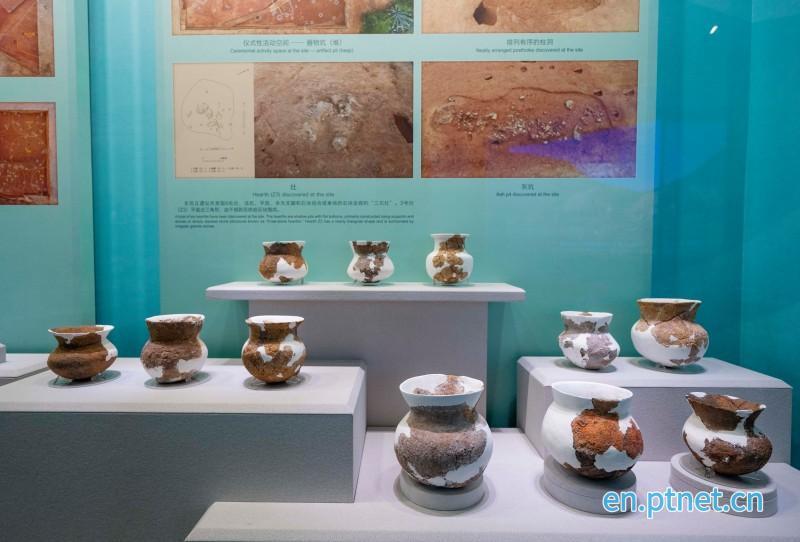
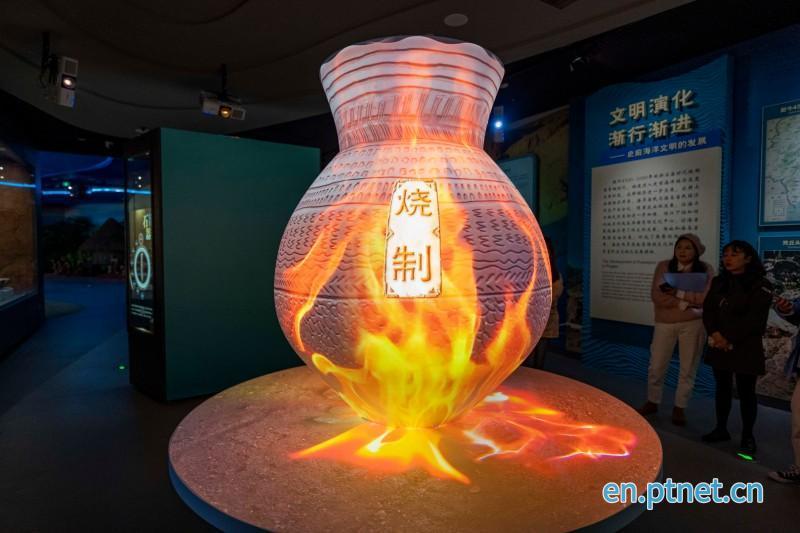
Spanning 3,800 square meters, the museum features three exhibition halls structured around "Origin," "Development," and "Splendor." It houses hundreds of precious unearthed artifacts, including simple stone tools, pottery, and exquisite bone and horn implements, which systematically chart the development of early maritime civilization along China's southeast coast. Complemented by immersive scene restorations and interactive exhibits, visitors can vividly envision the daily lives of prehistoric Pingtan residents, listen to greetings from Pacific island nations, and learn ancient navigation techniques.
In April 2025, the museum made history as the first branch of the Chinese Archaeological Museum. Its collections provide tangible evidence of the shared cultural roots between compatriots on both sides of the Taiwan Straits, offering valuable physical materials and historical proof for the study of Austronesian-speaking cultures.