

Keqiutou Site reveals millennial evidence of cross-Straits kinship
en.ptnet.cn | Updated:2026-02-27 | Lin Kongbo, StephaniePingtan Island, the closest place on the Chinese mainland to Taiwan Island with a 68-nautical-mile strait in between, hosts the 7,500-year-old Keqiutou Site complex. This prehistoric shell midden site stands as a living archaeological museum, holding the key to decoding the cultural origins across the Taiwan Straits and embodying the profound bond of shared roots between the two sides, highlighting the deep-rooted connections across the Taiwan Straits.
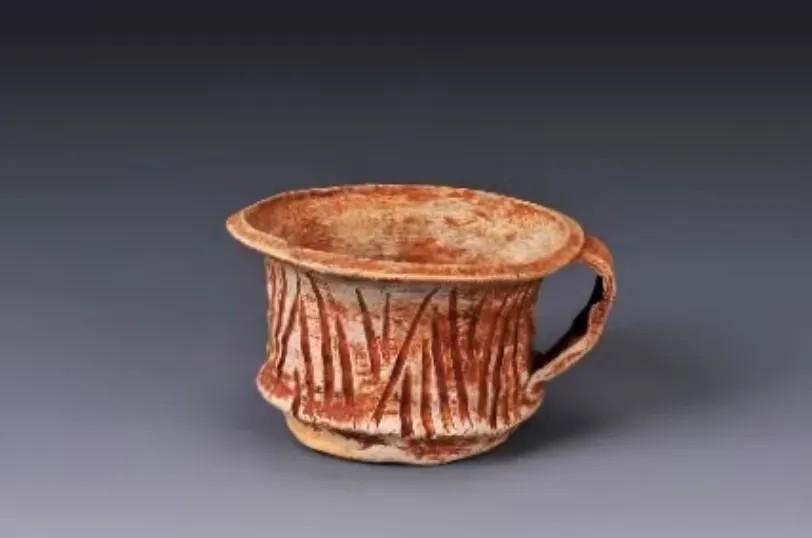
Exhibits at the Keqiutou branch of the Chinese Archaeological Museum
Fan Xuechun, Dean of the International Austronesian Studies Institute of Pingtan Comprehensive Pilot Zone, who has devoted over a decade to Pingtan's archaeology, says, "The discovery of the Keqiutou Site offers the clearest evidence of the connection between the prehistoric cultures of Fujian and Taiwan." Dating back 7,500 to 3,000 years, the site preserves a complete cultural sequence, acting as a crucial link for cross-Straits prehistoric culture studies.
In 1987, Zhang Guangzhi, a Chinese-American professor at Harvard University, published an article on the Neolithic Age of the Taiwan Straits and Austronesian peoples, laying the groundwork for related research. Based on his examination of the relics, he proposed that Keqiutou Culture was likely the direct origin of Taiwan's Dapenkeng Culture—a claim that would become foundational to cross-Straits kinship studies.
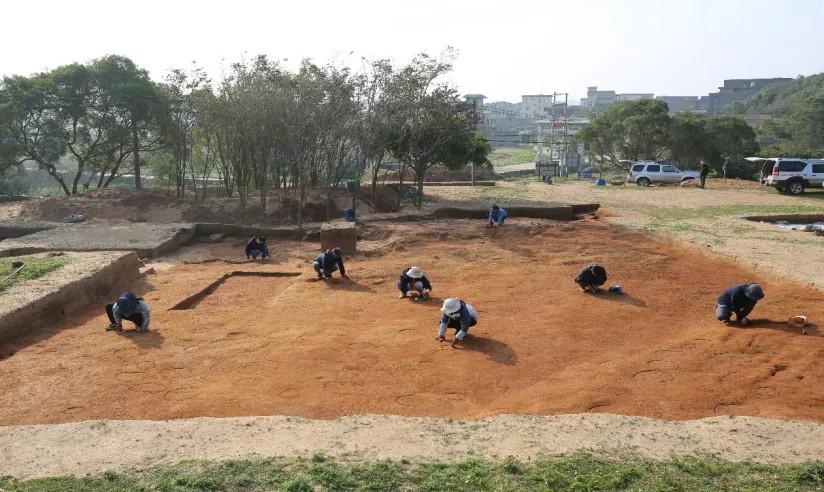
Discoveries and excavations in the archaeological work of the Keqiutou Site complex
Archaeological evidence shows Taiwan's prehistoric culture began with the Dapenkeng Culture around 6,000 years ago, later evolving into Xuntangpu, Zhishanyan and Yuanshan cultures. The cultural sequence of the Keqiutou Site aligns perfectly with Taiwan's prehistoric cultures: relics from Keqiutou and Donghuaqiu stages highly resemble the early Dapenkeng Culture, and Donghuaqiu relics share an unbroken lineage with Taipei's Zhishanyan and Yuanshan Sites, confirming over 6,000 years of close cross-Straits prehistoric cultural ties.
Lin Ying, Director of the Academic Exchange Department of the International Austronesian Studies Institute, stresses, "Archaeological research relies most on tangible evidence." Relics from the Keqiutou Site form a solid evidence chain of cultural similarity between the two sides. Both Pingtan's Keqiutou, Xiying Sites and Taiwan's Dapenkeng, Yuanshan Sites are shell midden sites, reflecting the similar fishing and farming lifestyles of ancient ancestors on both sides. Their pottery is predominantly cord-marked, evolving from thick to delicate over time, and also features identical nail and shell-tooth patterns.
Genetics and anthropological evidence further confirms the kinship. 12,000-year-old human bone DNA from Zhangping Qihe Cave in Fujian matches closely with that of Taiwan's Austronesian peoples, and its 8,400-year-old DNA matches precisely with Taiwan's Amis and Atayal ethnic groups. Human bone DNA from Mazu Liang Island and Pingtan Xiying Site also show genetic ties with Taiwan's prehistoric populations. The tooth extraction custom observed in Pingtan's human bones persists today among some Taiwan's ethnic minorities and can be traced back to the Dawenkou Culture on the mainland over 6,000 years ago.
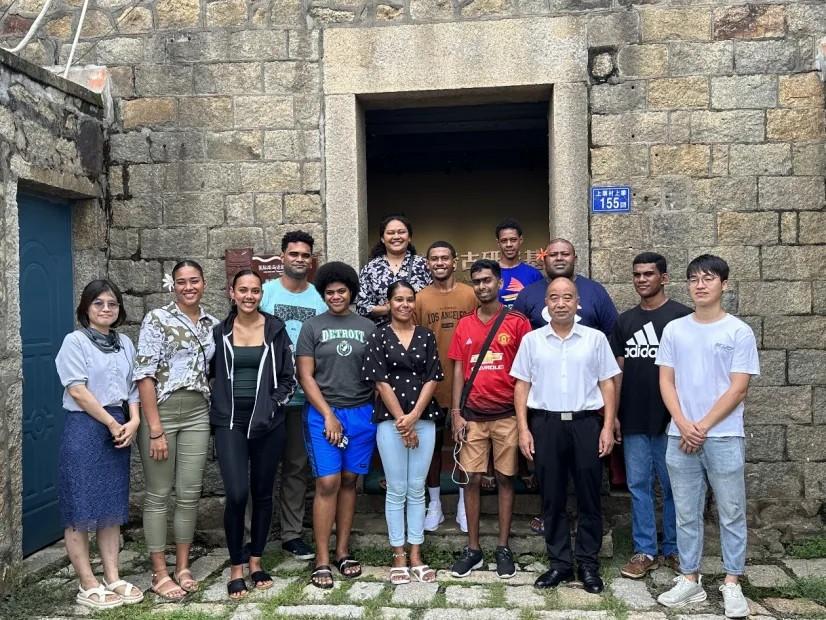
Foreign visitorsat the Keqiutou branch of the ChineseArchaeological Museum
The Keqiutou Site has become a vital platform for cross-Straits cultural exchanges, welcoming over 5,000 Taiwan visitors and more than 1,600 guests from over 20 countries and regions. Visitors find resonance in costume culture, fishing and farming traditions, and sacrificial songs and dances, deepening the recognition of shared cultural roots. Over 6,000 years ago, Pingtan ancestors with Keqiutou Culture crossed the Taiwan Straits using advanced navigation skills and settled in Dapenkeng, creating Taiwan's earliest Neolithic culture. Today, academic exchanges at the Straits Forum and prehistoric culture educational programs continue to carry forward this cultural legacy. Taiwan visitor Zheng Zhishan remarks, "Every cultural relic tells our common past, a bond of shared roots that no force can sever."
Beyond archaeological value, the Keqiutou Site restores the historical truth of cross-Straits kinship and endows the current cross-Straits cultural integration with a new mission. It serves as a spiritual bond for cross-Straits cooperation, a cultural foundation for national reunification, and a bridge linking Chinese culture with the world. Building on the archaeological achievements at Keqiutou, scholars from both sides of the Strait are deepening academic research, advancing heritage protection, and promoting global cultural exchange, showcasing the vitality and cohesion of Chinese civilization. The Keqiutou Site tells the world—through archaeology, cultural continuity, and exchange—the enduring truth of cross-Strait kinship, forging an ever-stronger cultural and emotional bond that injects millennia of civilizational strength into the cause of national rejuvenation.
(Source: China Today)