
Pingtan builds cross-Straits logistics hub linking China to the world
en.ptnet.cn | Updated:2026-04-24 | Lin Kongbo, StephanieFacing the Taiwan Straits and located just 68 nautical miles from the island of Taiwan, Pingtan is China's only comprehensive pilot zone for cross-Straits integration and is emerging as the country's second International Tourism Island. Leveraging its proximity, efficient customs system, and stable shipping routes, the island is fast becoming a key hub for cross-border e-commerce and global logistics.

At daybreak in Pingtan's Jinjing Area, the Cross-border E-commerce Customs Supervision Center—nicknamed "Little Dubai"—is already in full swing. Container trucks line up at loading docks, where parcels are unloaded, sorted, and packed with clockwork precision. Barcode scanners beep continuously as forklifts shuttle between platforms.
"Every morning, packages from Yiwu, Shenzhen, and Dongguan arrive here—mostly daily goods ordered online by consumers across the Straits," said Chen Yiming, general manager of Pingtan Yilutong Customs Clearance Logistics Co., Ltd. Covering about 6,200 square meters, the facility has handled steady volumes since launching its first export shipment in January 2023, serving as a frontline hub for cross-Straits e-commerce.
The center operates as a one-stop clearance and transit station for cross-border parcels under the "9610" B2C export model. Goods purchased online—ranging from clothing to household items—are consolidated, declared, inspected, and sealed before being transported to Jinjing Port. From there, they are shipped directly to Taiwan via the Taipei Express.
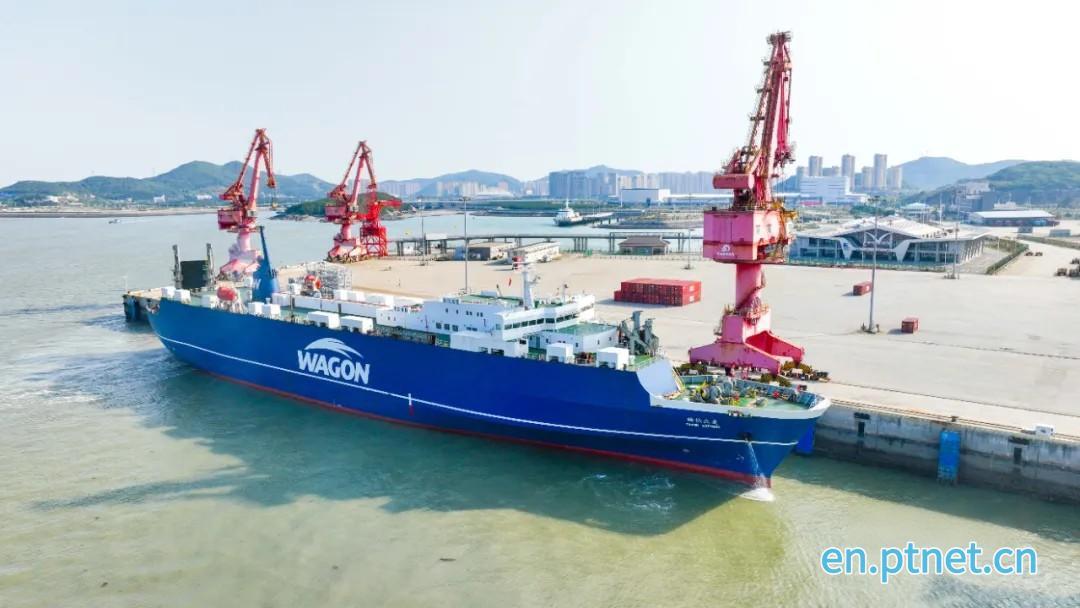
"Pingtan's location is a natural advantage," Chen said. "But what really anchors our business is the Taipei Express." The roll-on/roll-off cargo vessel runs three times a week, completing the journey in just five and a half hours. Its schedule enables a rapid cycle: same-day collection, clearance, and loading, with next-day arrival across the Straits.
Efficiency is further enhanced by a closed-loop logistics system. Loading and unloading channels are physically separated, ensuring smooth operations, while all cargo movements are digitally tracked in real time through systems connected with customs authorities. "We know exactly where each parcel is at any moment," Chen said.
Technological upgrades have also streamlined customs procedures. Previously, container sealing required on-site verification by customs officers, causing delays. Now, a remote intelligent sealing system allows companies to complete the process via mobile devices in as little as 10 seconds, significantly reducing clearance time.
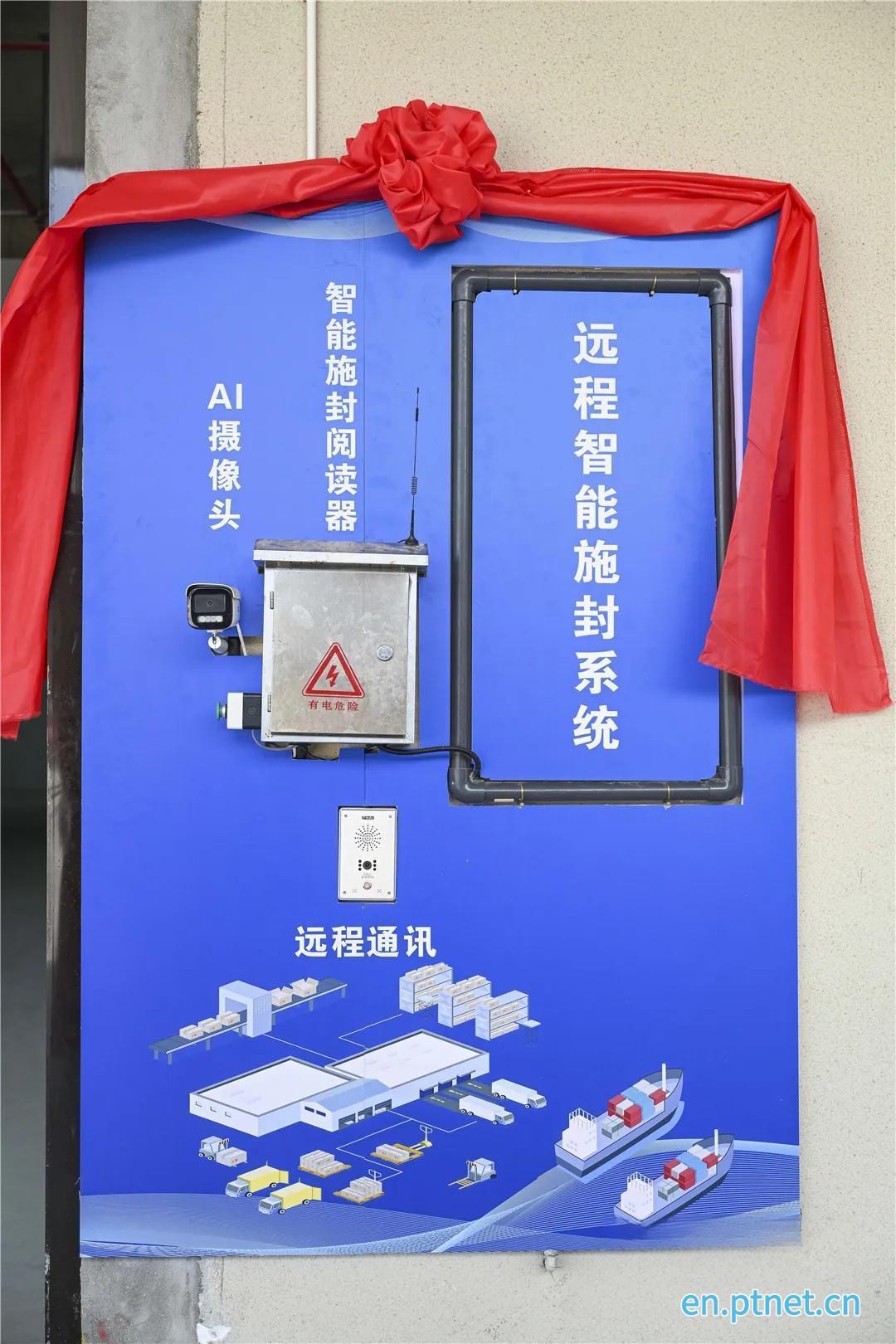
To ensure safety, shipments are protected by a dual security system. Smart locks linked to customs provide real-time tracking and controlled access, preventing tampering during transit, while traditional one-time seals safeguard cargo during sea transport.
"The vessel itself is part of the advantage," Chen added. Unlike conventional cargo ships, the Taipei Express features a fully enclosed design that protects containers from salt exposure, reduces damage, and improves stability, making it a preferred choice for e-commerce logistics.
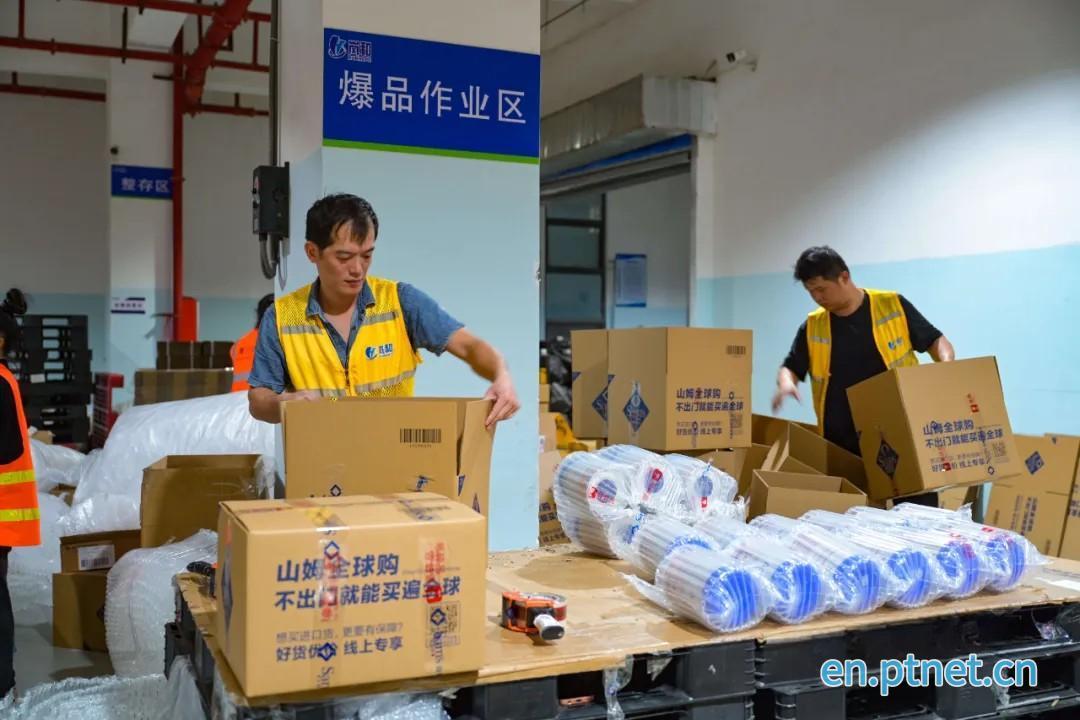
Pingtan's logistics growth reflects a broader strategy. Since 2021, the island has built a mature cross-Straits logistics network, attracting major e-commerce players such as Sam's Club Global, Tmall Global, JD Worldwide, and Walmart. The clustering effect is strengthening the local logistics ecosystem.
In 2024, Pingtan introduced an innovative "sea-air intermodal" route. Goods shipped to Taipei Port can be transferred directly to Taoyuan International Airport without local customs clearance and then flown to Europe and the United States within 24 hours. This model combines the cost efficiency of sea freight with the speed of air transport, transforming the cross-Straits route into a global distribution corridor.
Official data show that during the 14th Five-Year Plan period (2021–2025), Pingtan handled over 251 billion yuan in bonded imports and 262 billion yuan in direct cross-Straits exports, with transaction volumes reaching into the hundreds of millions. The port has ranked first in Fujian Province for bonded import business for several consecutive years. In June last year, Pingtan was included in China's list of national logistics hubs for 2025, further solidifying its strategic role.
Looking ahead, local officials say Pingtan will continue to expand its logistics infrastructure, optimize overseas warehouse networks, and strengthen industries such as cross-border e-commerce and bonded processing. By enhancing its sea-air intermodal services and integrated logistics chain, the island aims to become a major distribution and transit hub for goods moving across the Straits and beyond.


 Fujian Public Security Registration Code: 35012802000271