

A Reunion Across the Pacific: Reconnecting time, bloodlines and culture
en.ptnet.cn | Updated:2026-05-11 | Lin Kongbo, StephanieWhy do communities separated by vast stretches of ocean — one along China's southeastern coast and the other scattered across remote Pacific islands — share strikingly similar customs and languages?
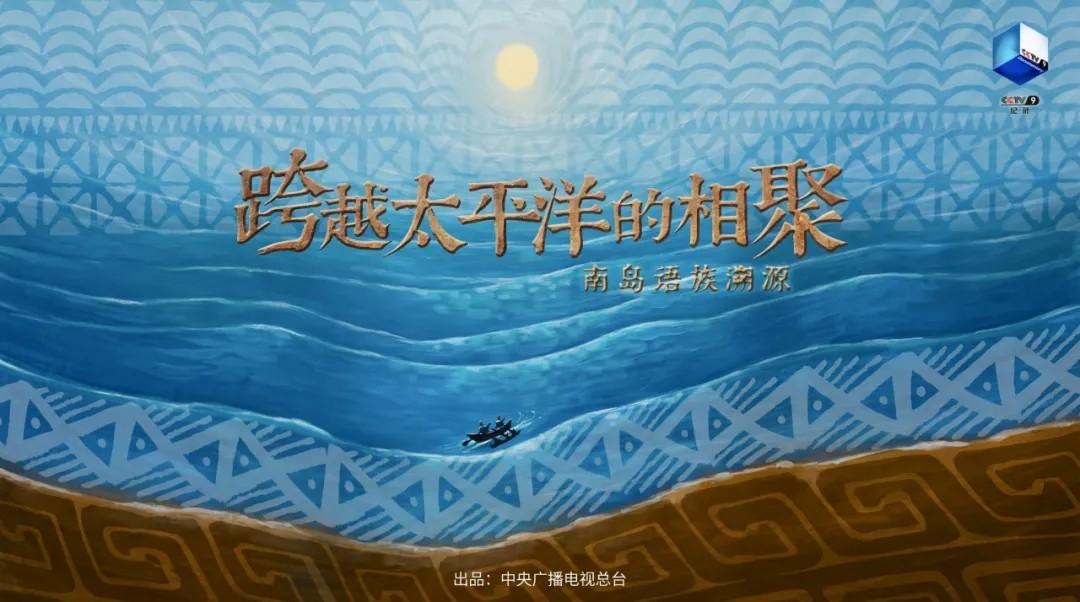
The answer unfolds in a documentary recently aired on China Central Television's CCTV-9 channel. Titled A Reunion Across the Pacific — Tracing the Origins of the Austronesian Peoples, the two-part film follows French Polynesian anthropologist Hiria Ottino on an emotional journey to trace the roots of his ancestors.
According to archaeological expert Wang Wei, a senior researcher at the Chinese Academy of Social Sciences and one of the documentary's academic advisers, the story is far more than a geographical journey. "It is a reunion across time, bloodlines and culture," he said.
A Voyage Across the World's Largest Ocean
The Pacific Ocean is so immense that its eastern and western edges cannot be seen simultaneously even from space. Yet more than 6,000 years ago, ancient seafarers crossed this vast expanse in simple outrigger canoes, undertaking one of humanity's greatest maritime migrations.
Who were these people? Where did they come from? And why did they venture into the open ocean?
The documentary approaches these questions through Hiria's personal search for his ancestral homeland. His great-grandfather founded the Tahiti Historical Society a century ago and spent his life searching for the origins of the Polynesian people, while his mother devoted her academic career to Austronesian studies. For generations, tracing the roots of the Polynesian world became a family mission.
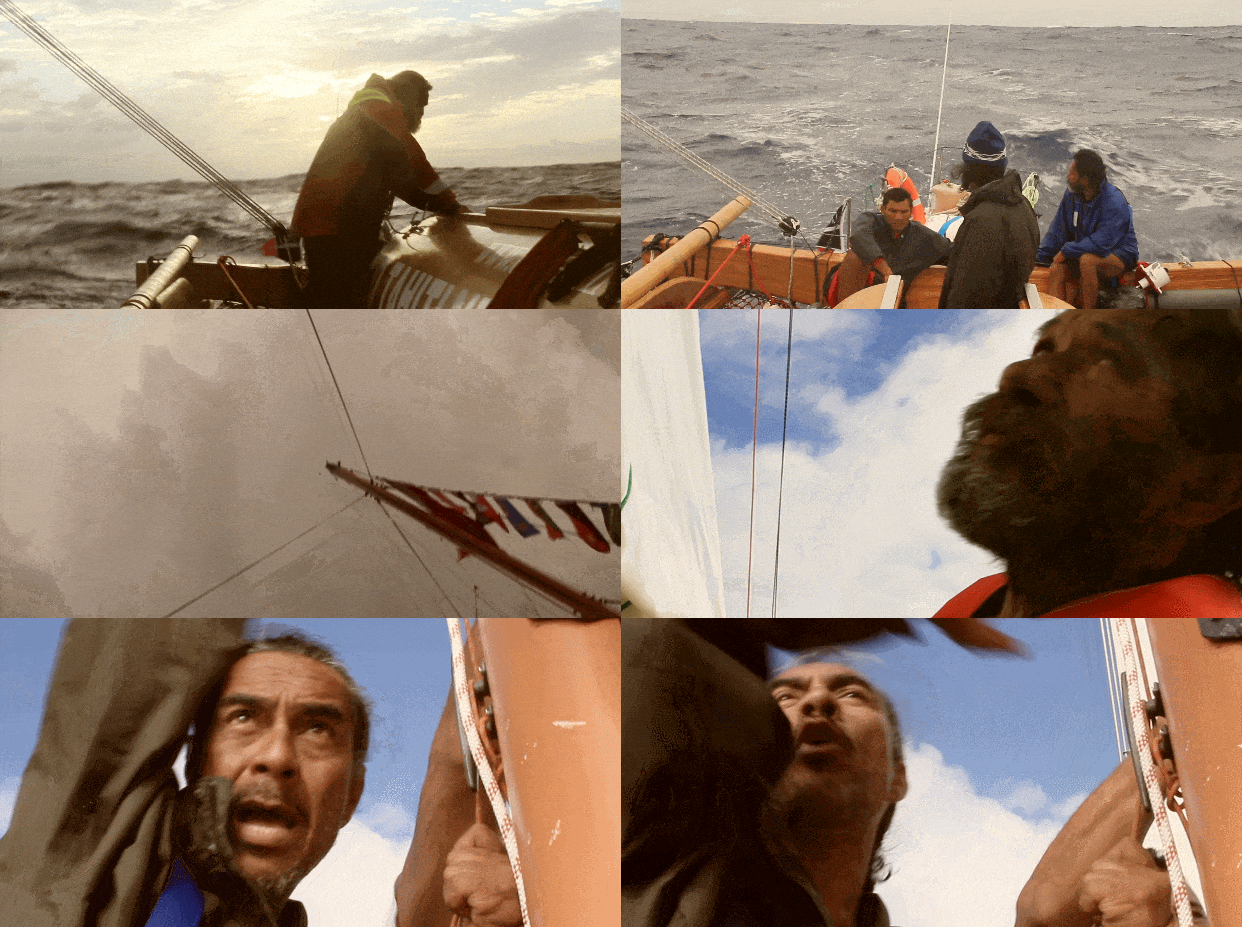
In 2010, Hiria and five companions sailed a traditional canoe named Liberty from French Polynesia to Fujian's Mawei Port in eastern China. The 16,000-kilometer voyage lasted 123 days and retraced what many researchers believe was the migration route of their distant ancestors.
The documentary opens not as a detached academic investigation, but as an emotional homecoming.
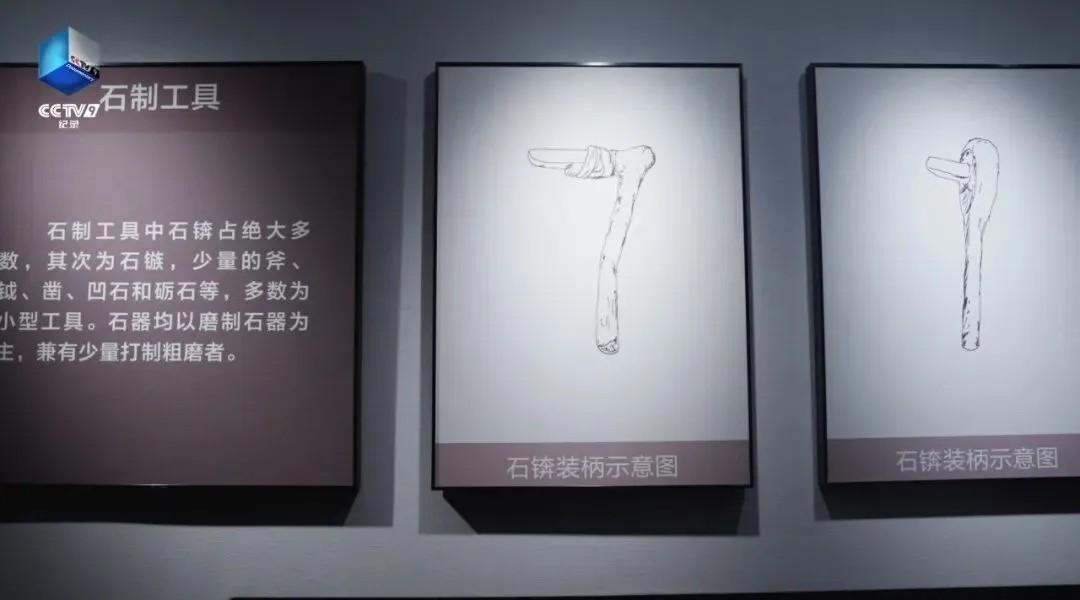
One of the film's most memorable moments comes when Hiria visits the Keqiutou Site Museum in Pingtan. Standing before ancient stone adzes excavated from the site, he calls them "old friends," expressing a profound sense of familiarity that transcends millennia.
Science Behind the Story
What distinguishes the documentary is its combination of emotional storytelling and rigorous scientific evidence. Rather than relying solely on sentiment, the film builds its case through archaeology, linguistics and genetic research.
Archaeological Clues
Artifacts unearthed at the Keqiutou archaeological site in Pingtan — including stepped stone adzes, shouldered axes and distinctive pottery patterns — closely resemble relics found in Taiwan's Dapenkeng culture and across Pacific islands.
Particularly significant are the stepped stone adzes used to build canoes. From Fujian to Palau, the tools' forms and functions remained remarkably consistent over thousands of years.
In one scene, Hiria compares artifacts with museum curator Fan Xuechun, visually illustrating the cultural connections that spread across the Pacific.
Linguistic Evidence
Language offers another compelling link.

The Polynesian word for taro closely resembles pronunciations used among the Li ethnic community in Hainan and ethnic minority groups in Taiwan. Likewise, the word "lima," meaning both "five" and "hand," appears widely across Austronesian languages.
Linguist Deng Xiaohua compares more than 100 Pacific languages with the Tai-Kadai language family and argues that the Austronesian linguistic homeland points toward southern China, particularly the Fujian coast.
DNA Findings
Perhaps the strongest evidence comes from ancient DNA research.
A team led by geneticist Fu Qiaomei at the Chinese Academy of Sciences extracted DNA from human remains dating back 8,400 to 12,000 years discovered atthe Qihe Cave site in Fujian. The researchers compared the samples with remains from Taiwan, Vanuatu and present-day Austronesian populations.
In 2020, the team published findings in the journal Science showing a genetic link between Austronesian populations and ancient communities in southern China.
The documentary also notes a more recent breakthrough: in August 2025, a team from Fudan University published research in Cell Genomics tracing Austronesian genetic origins even further back to the Yangtze River basin, suggesting that understanding of this migration story continues to evolve.
Human Stories Behind Ancient Migration
Despite its scholarly depth, the documentary remains grounded in human experience.
Warm moments fill the film: Hiria embracing Fan Xuechun upon meeting him; his excitement after discovering similarities between Polynesian paddling techniques and Chinese dragon boat rowing; and his emotional reaction while visiting Li villages in Hainan, where he recognized customs familiar from Pacific island life.
Watching elders weave toys from leaves, Hiria recalls his own childhood: "My mother used to do this too."
The film also touches on the fragility of cultural heritage. In one poignant scene, Hiria's uncle Lotui laments the decline of the Maori language, saying that fewer and fewer people still speak it.
The remark underscores a broader concern shared by many endangered language communities worldwide.
The Ocean as a Bridge
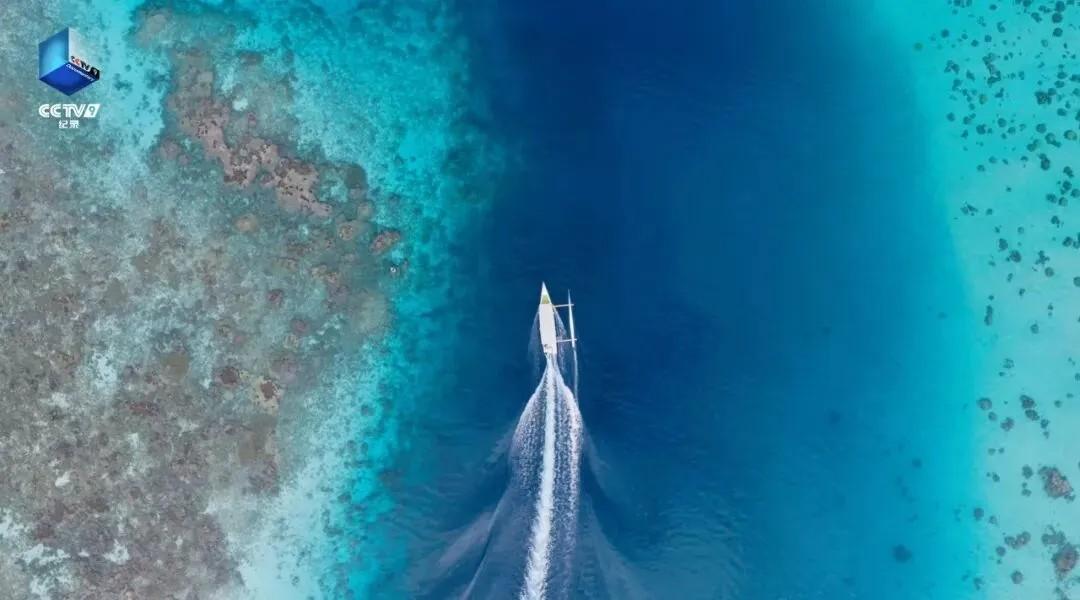
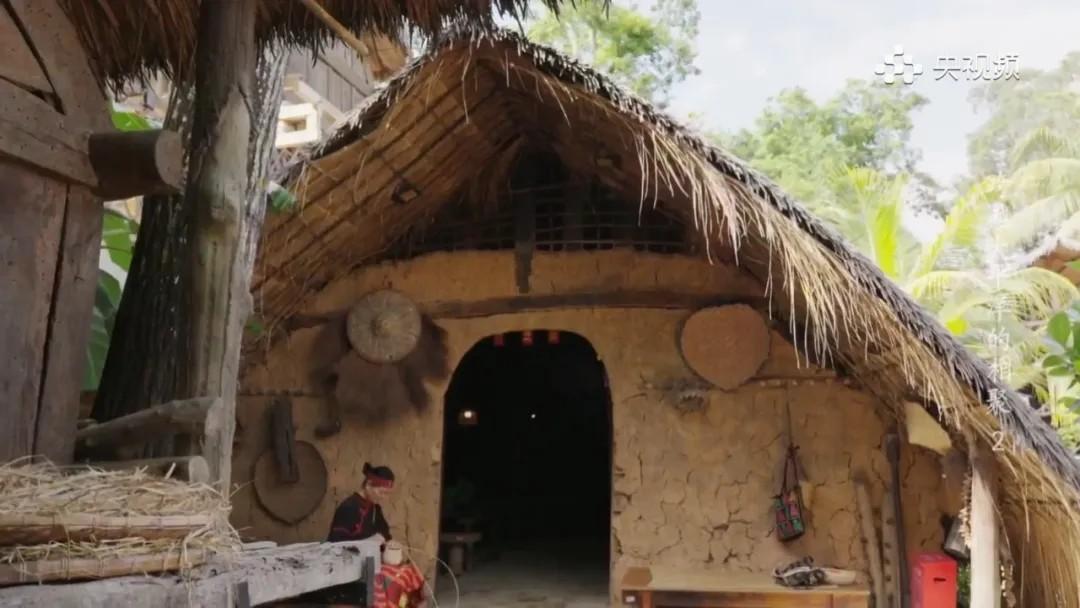
Visually, the documentary moves seamlessly between the turquoise waters of French Polynesia, the archaeological landscapes of Fujian and the traditional boat-shaped homes of Hainan. Sweeping aerial shots alternate with intimate close-ups of pottery patterns, bark-cloth making and carved tools.
Its concluding message resonates throughout the film: the ocean was never a barrier separating humanity, but a highway connecting civilizations.
A Reunion Across the Pacific ultimately offers more than an explanation of Austronesian origins. It reframes the Pacific not as a barrier, but as a dynamic space of migration, exchange and shared memory.
For viewers interested in human migration, maritime history or the cultural links between China and Pacific island societies, the documentary provides both intellectual insight and emotional resonance.
As Wang Wei suggests, the "reunion across the Pacific" is not merely a meeting across geography. It is a rediscovery of connections forged through time, ancestry and culture.
(Source: CMG Observer)